

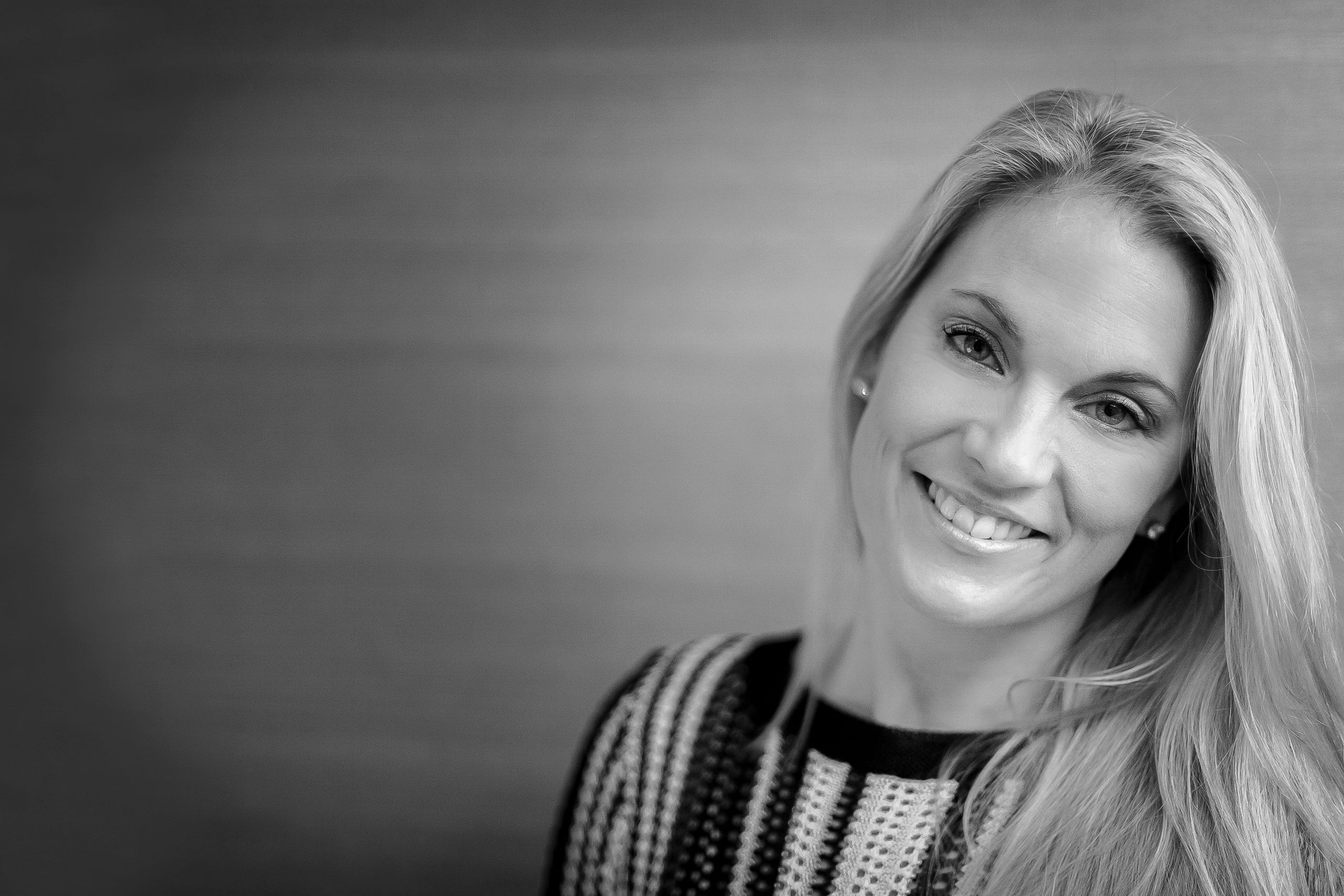
Hello readers, we’re delighted to bring a new fresh perspective from the Founder of spabreaks.com and Spa Strategic Adviser, Abi Selby with her insight on the importance of getting the balance and approach right for young people in wellbeing environments.
In an increasingly noisy digital world, run yourself a bath and soak in her expert spa suggestions. 🫧
Unplugged and Grounded: Why Wellness Spaces Matter for a Screen-Saturated Generation.
We live in an era of constant illumination. From the moment our young people wake up to the glow of notifications until the final blue-light flicker before sleep, their reality is mediated through glass and pixels. This permanent tether to the digital world has created an unprecedented paradox: adolescents are simultaneously more connected than ever before and profoundly untethered from themselves.
For a long time, I held a quiet skepticism about introducing teenagers to the world of spas. Historically, wellness spaces have often presented themselves as exclusive, pristine, and rigid environments—places that demand a certain kind of hushed perfection, which can feel intimidating even for adults, let alone a sixteen-year-old navigating the shifting sands of identity.
That perspective shifted fundamentally during a recent visit to the Bath Lush Spa. After 25 years in the Spa industry, sharing a first-ever spa experience with my sixteen-year-old daughter was nothing short of transformative. It offered a rare, shared pause in a world that rarely slows down.
The Sanctuary of Silence in a Loud Digital Age
Adolescence is already an internal renegotiation of space, boundaries, and belonging. Add to that the relentless social and informational current of smartphones, and our youth are subjected to an unending stream of cognitive load. Their attention is fragmented across infinite tabs.
When you step into a proper wellbeing environment, something visceral happens. The silence isn’t empty; it is generative.
Without screens to distract or validate, teenagers are gently invited back into their own physical bodies. They remember what it feels like to breathe deeply and experience a moment purely for the sake of being lived, rather than recorded and shared.
Navigating Neurodiversity and Sensory Boundaries
This need for intentional sanctuary is even more pronounced for young people with neurodivergent experiences. My daughter has dyspraxia, a condition that profoundly impacts coordination, spatial awareness, and sensory processing. For someone with dyspraxia, the world can frequently feel chaotic and invasive. Everyday environments often demand navigating physical spaces where people unknowingly crowd personal boundaries, triggering sensory overload and anxiety.
Entering a new environment can therefore be fraught with apprehension. For teenagers who struggle with personal space and sensory sensitivities, the traditional luxury spa model, with its clinical quietness, unspoken rules, and intimidating protocols - can sometimes heighten anxiety rather than soothe it.
This is precisely why finding the right environment matters so deeply. A wellness space should never feel like a test you are afraid of failing.
Storytelling as a Bridge to Comfort
What sets experiences like Lush apart - and makes them uniquely suited for anyone nervous about stepping into a spa - is the power of narrative and sensory storytelling. Traditional spas often rely on clinical austerity to convey luxury. Lush takes the opposite approach: they use story, imagination, tactile engagement, and human warmth.
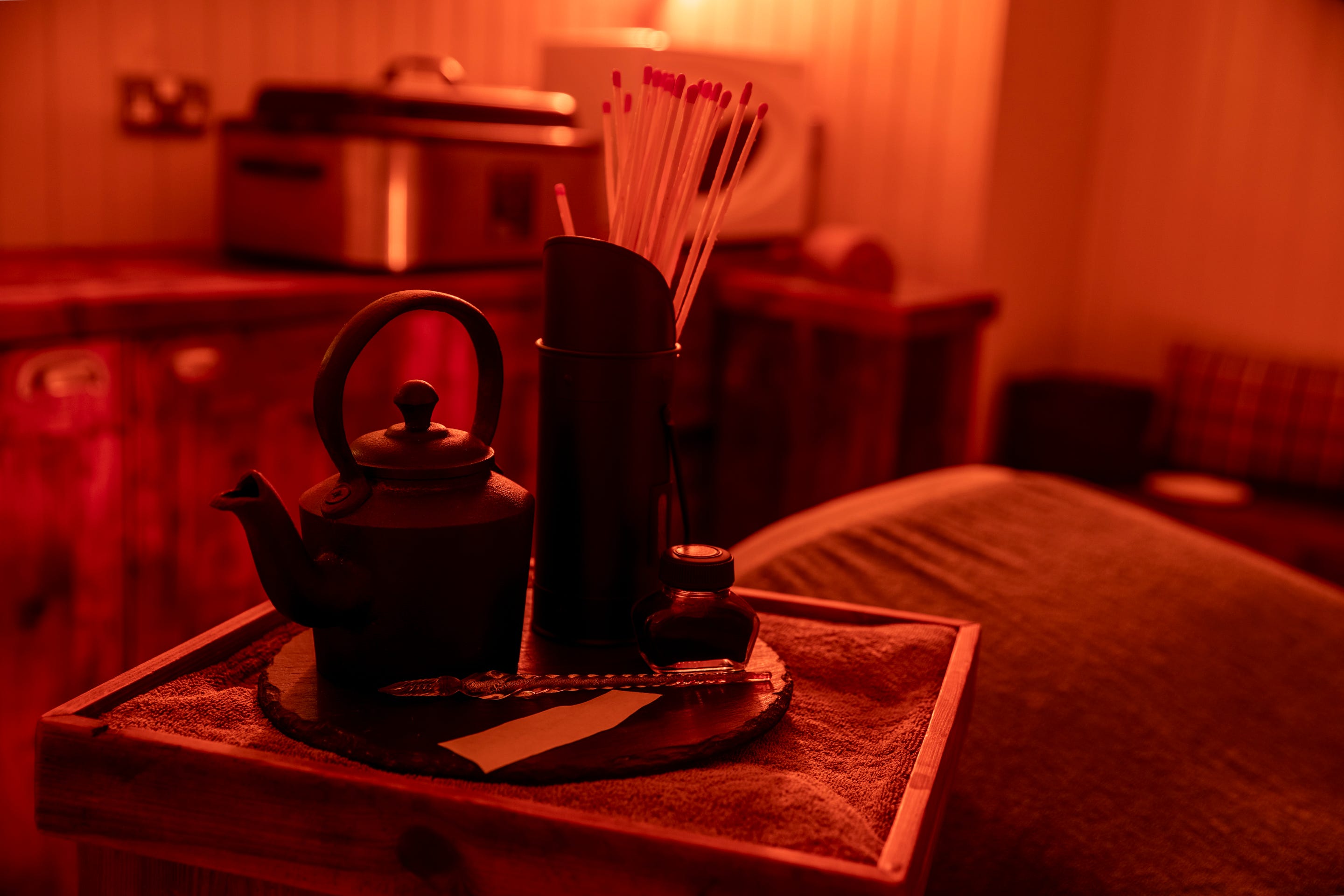
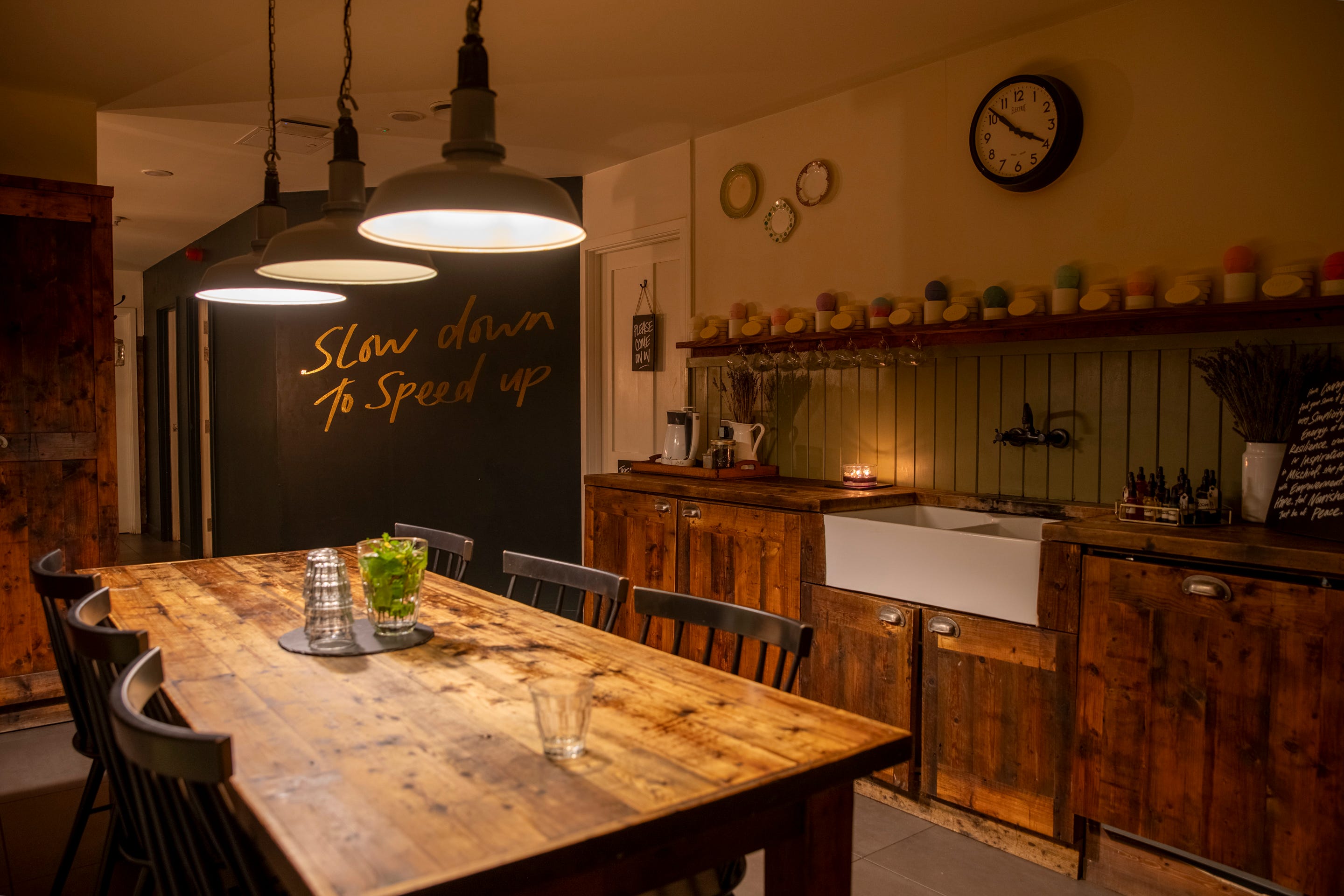
From the moment you walk through the door, the experience is framed not as a formal procedure, but as a narrative journey. Treatments are woven together with music, curated lighting, and sensory cues that act as an anchor. For a teenager with dyspraxia or anyone prone to social and sensory anxiety, this creative storytelling disarms the nervous system. It transforms the unknown into an imaginative adventure rather than an intimidating social performance.
Instead of worrying about whether they are “doing it right,” visitors are wrapped in a narrative that guides them gently through the experience. It honours personal boundaries while offering a comforting, enveloping embrace.
Looking Forward
As parents, educators, and guardians, we spend a great deal of energy worrying about screen time metrics and digital detoxes. But restriction alone is never enough; we have to offer compelling, restorative alternatives.
Introducing our younger generation to wellness isn’t about luxury for luxury’s sake. It is about teaching them the essential life skill of disengaging. It is about showing them that there are physical, breathing spaces in this world where they are entirely safe, where boundaries are respected, and where they can simply put down the weight of the digital world and exhale.
Thanks for reading the latest Fresh Perspective. 💭
Pop in your email below if you fancy seeing more of us in your inbox! 📩
Or leave a comment to let us know your thoughts on Abi’s piece… 💬

"The traditional luxury spa model, with its clinical quietness, unspoken rules, and intimidating protocols - can sometimes heighten anxiety rather than soothe it" so true!